
When Should I Be Worried About Back Pain?
Patrick Campbell • 3 July 2021
The back is an important part of the body that we largely depend on for mobility and strength. It is also unfortunately one of the most afflicted body parts that is the world’s leading cause of disability. Most people will experience some form of back pain at some point in their lives.
The spinal column is the core of the back. It is made up of vertebrae bones that sit on top of each other, with discs in between. It is supported by various ligaments and muscles. It also has nerves that pass through its spaces, going from the brain to the rest of the body.
Common Causes of Back Pain
For the most part, back pain is mild to moderate and does not impair one’s ability to carry out daily activities. It mostly occurs on the lower back, but can still manifest anywhere between the neck and hips. Minor injuries like sprains or strains can cause back pain.
Most incidents of back pain will resolve with time. It can take anywhere between a few days to a few months for the pain to end. It can however also persist for a long time or keep recurring.
It is often difficult to determine the root cause of back pain. Many people are often diagnosed with non-specific back pain. Others can however be associated with certain medical conditions.
- Muscle strain – These incidents are mostly mild but can sometimes be severe. Lifting particularly heavy objects or performing an awkward twisting motion can result in a bad strain.
- Ruptured, slipped or bulging discs – When the soft cushioning material between vertebrae is hard-pressed it can lead to rupture, slippage, or a bulge. This can end up pressing on nerves
- Osteoporosis – This happens when bones become porous and brittle. The vertebrae then develop fractures that can be painful.
- Osteoarthritis –This form of arthritis causes narrowing of the space through which the spinal cord passes. It can lead to spinal stenosis. It results in painful pressure on the nerves passing through anywhere between the neck and lower back. The pain will however mostly be felt in the lower back and/or legs.
- Sciatica – This is another condition where the nerve in the spine experience pressure or squeezing. It is often caused by a bulging disc that catches a nerve, causing pain to radiate from the lower back into the leg and foot.
- Spondylosis – This condition is mostly the result of natural ageing. The discs weaken and become thinner with small bone spurs developing on the vertebrae. This affects the spine's movement and can injure nerves, causing back pain.
Back pain can also be a result of an infection, injury to the bone, tumour growth, or inflammatory diseases like ankylosing spondylitis, reactive arthritis, and psoriatic arthritis. Many of the conditions that present with back pain will have other accompanying symptoms like tingling sensations or weakness.
When to Be Worried About Back Pain
Although back pain is a common problem that will often resolve itself with time, some occurrences do call for extra care and a need to consult a doctor. You need to consider seeing a doctor when:
- The pain persists for a long time without reducing
- The pain increases
- It prevents you from going about your normal routine
- The pain causes weakness or numbness down the legs
- Accompanying unexplained weight loss
- Sharp pain instead of a dull ache
This could indicate something as simple as a torn ligament. But it could also mean injury to an internal organ. Where the pain level persists or increases over time, medical attention should be sought.
- Radiating pain
When the pain travels down the legs and sometimes into the feet, it often indicates a serious problem.
- Changes in bladder or bowel control
If there is a sudden inability to control or sense bladder or bowel function, then immediate medical care should be sought. Incontinence can indicate severe nerve compression or infection.
- Pins and needles sensation around genitals and back passage
This or feelings of numbness can also indicate a serious nerve or spine condition.
Cauda equine syndrome is a serious illness characterized by leg weakness, numbness and incontinence. It is a medical emergency that typically requires surgical intervention to decompress the nerves.
Remedies for Back Pain
In simple cases of back pain, there are a few self-care tips that can be helpful:
- Remain active as possible and maintain your normal routine. Avoid resting too much as this can worsen the condition.
- Take over the counter anti-inflammatory painkillers like ibuprofen. Should only be used as a short course of treatment. if still not helping after 10 days then see a doctor.
- Carefully perform stretching exercises for back pain. Low impact exercises like swimming and yoga can also help.
- Apply hot or cold compression packs in an alternating pattern for soothing relief
- Learn to lift correctly with your legs, not your back
- Maintain a healthy weight through diet and exercise
Where these remedies do not work, it is advisable to seek the help of your doctor in prescribing better treatments. These can include:
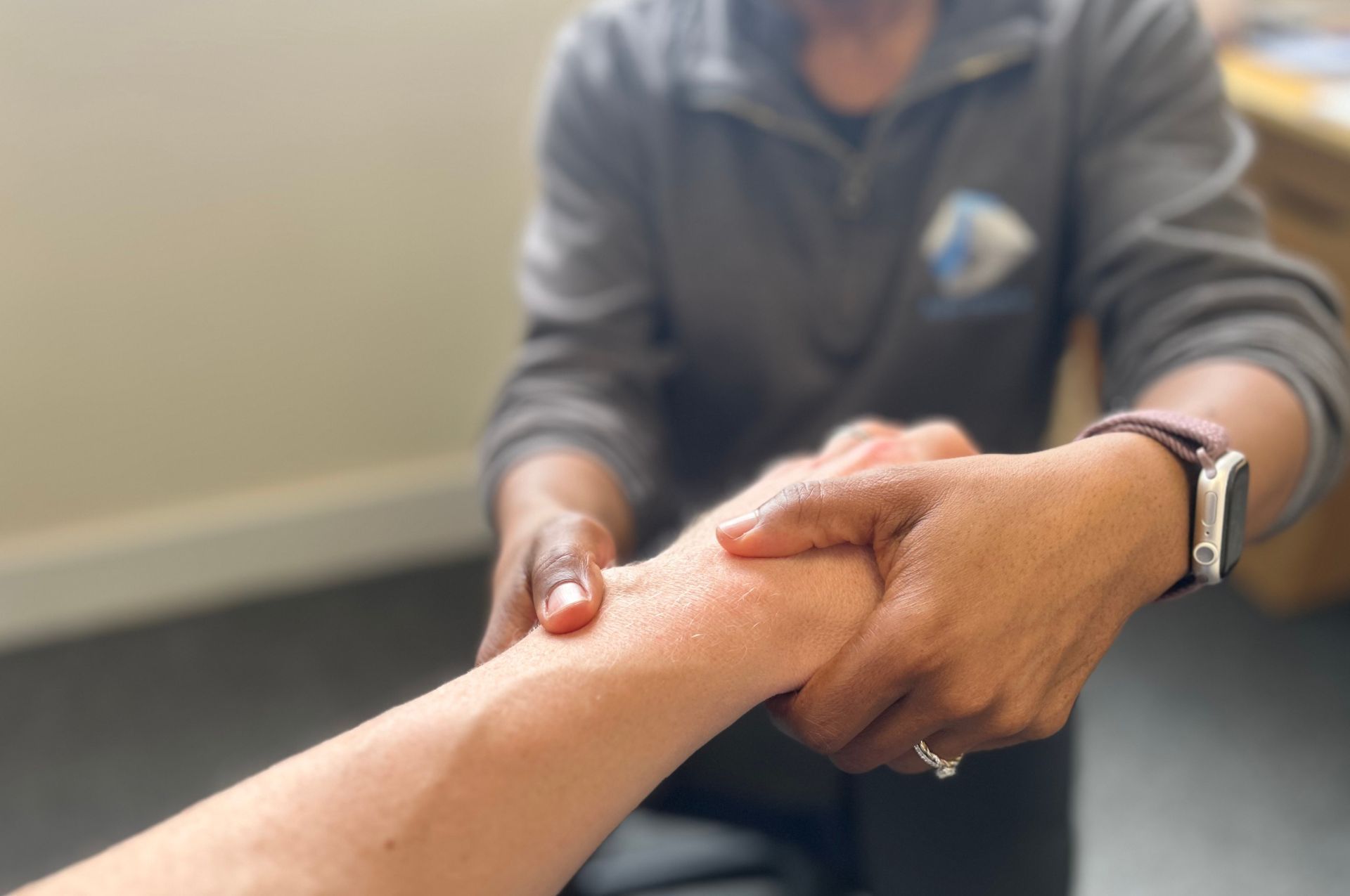
- Manual therapy sessions facilitated by physiotherapists, osteopaths, or chiropractors. They offer spinal manipulation and massage treatments that help relieve pain, increase mobility, and strengthen the back.
- Group exercise classes can help to strengthen muscles, improve mobility, and posture. Video demonstrations and exercise sheets can also be an option for those stuck at home.
It is only in the most severe cases that surgery may be recommended. This is due to the added risk involved in operating so close to the spinal cord.

September Newsletter | Clinic Updates, Pregnancy Support & More Hello September! 🍂 As we move into a new month, there’s plenty happening at Kube Medical. From the finishing touches to our refreshed reception area and opportunities to get involved with our social media, to our Infant Drop-In Clinic and this month’s supplement spotlight, here’s everything you need to know from the Kube Medical team.

Hello August!

Hello December! As we reach the end of the year, we’re rounding off 2025 with some exciting updates — including new services, festive health offers, workshops, and simple ways to stay well this winter. Here’s everything you need to know from the team at Kube Medical.

Hello November! As we head into the colder months, our focus turns to recovery, resilience, and readiness. From new rehab facilities to upcoming classes and events, there’s plenty happening at Kube Medical this month.

Hello September! As the seasons change, we’ve got some important team updates, clinic news, and a special offer to help keep your treatment plan on track. Here’s everything you need to know this month from the team at Kube Medical.

All the latest news from the Kube Medical and Baby Acorn team in August 2025

Like many businesses in healthcare, we sometimes receive feedback that is difficult to read — not because it challenges us, but because it doesn’t reflect the care and intention with which our team works every day. Recently, a negative review was shared online that has been mentioned by both current and prospective patients. While we always value constructive feedback and use it to review our processes, I wanted to take a moment — from my perspective as a non-clinical Director — to clarify how we work, and the values that guide our decisions when it comes to patient care.

Hello June! We’ve got plenty of exciting updates this month—from new events and workshops to a big announcement about our next chapter. Here’s everything you need to know from the team at Kube Medical.
Is It Carpal Tunnel or Thoracic Outlet Syndrome? Here's How to Tell the Difference – and Why It Matters

Hello May! As the days grow longer and the sun starts to show its face, we’ve got some exciting updates, new faces, and a few dates for your diary. Here's what's happening at Kube Medical this month.